Raised around real art, not art-world theater
Jason's father was an artist with galleries in places like Southampton and SoHo. Jason grew up close to the business, the artists, the rooms, and the real pressure of moving work.
About Jason Perez Art
Jason Perez Art Collective was built from family, survival, taste, hustle, and a belief that art moves through relationships — collectors, artists, venues, events, and rooms where culture is already happening.
The public story should keep Jason's real edge while translating it into premium, client-safe language: artist-born, Miami-built, anti-stuffy, relationship-driven, and relentless about getting work into the right rooms.
The world around Jason
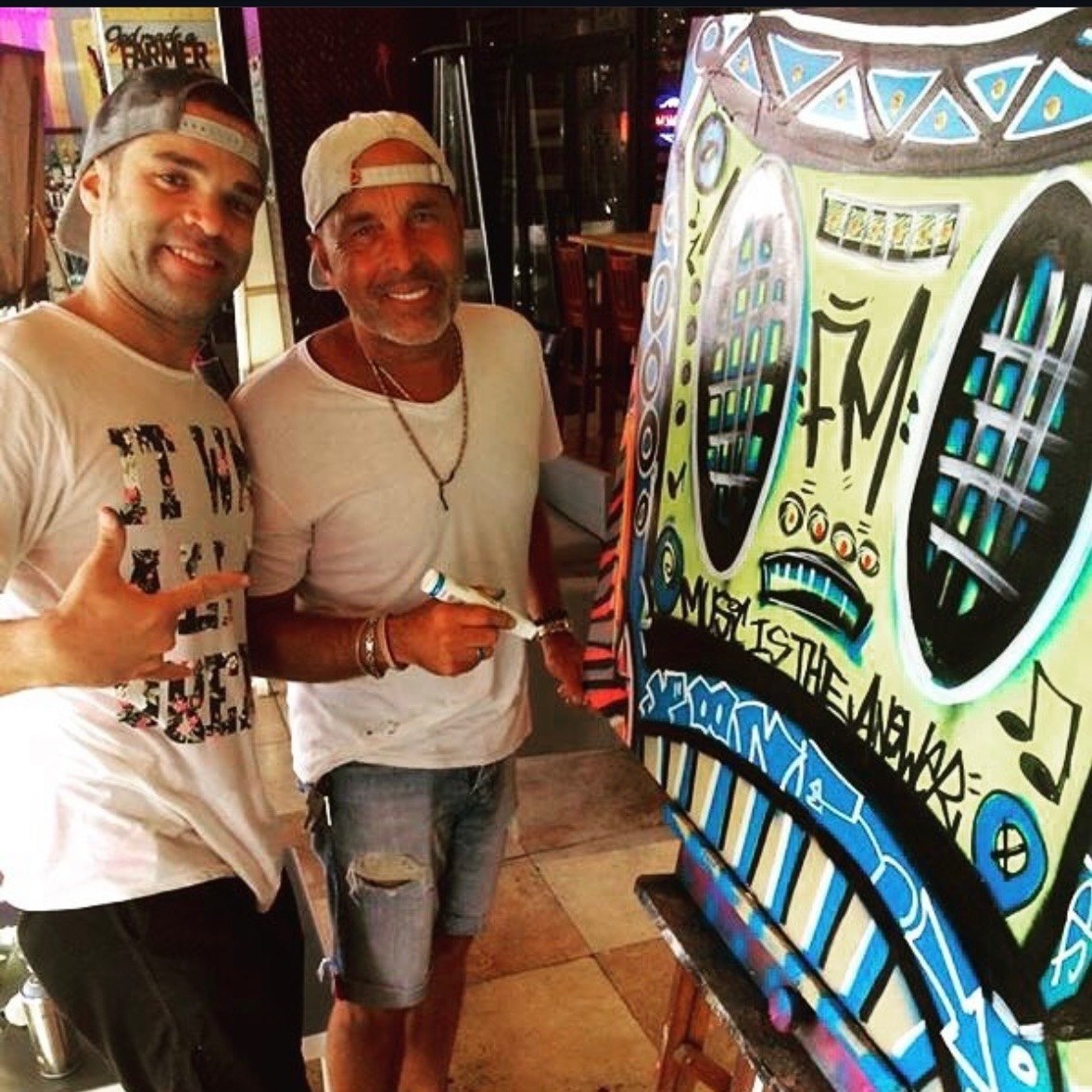
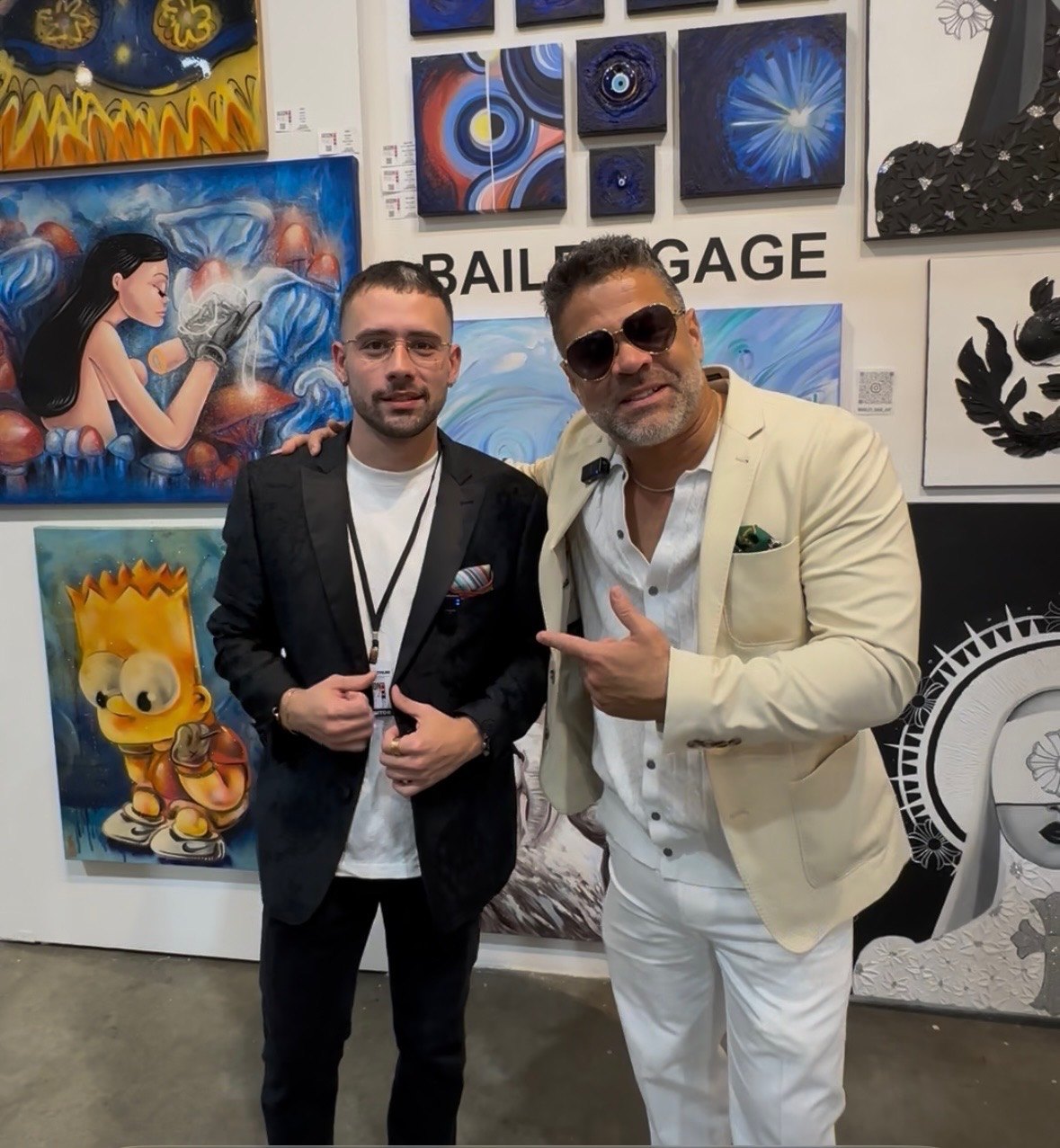

Jason's father was an artist with galleries in places like Southampton and SoHo. Jason grew up close to the business, the artists, the rooms, and the real pressure of moving work.
Before Jason Perez Art became a brand, Jason was in music and had an artist's eye himself. In Wynwood, surrounded by working artists, events, and his father's gallery world, he learned that art could move through culture — not just white walls.
After his father's gallery chapter was disrupted and his father suffered a stroke around Basel season, Jason was left with artwork, responsibility, and no clean playbook. He started selling, storing, returning, placing, and figuring it out by force.
Jason describes having his back against the wall and clawing forward. The breakthrough came when artists saw he could move work, place it in rooms, and create opportunity without waiting for a traditional gallery model to give permission.
Instead of betting everything on one expensive space, Jason built a network: venues, events, offices, hospitality spaces, pop-ups, fairs, and private relationships. The city itself became the gallery.
What makes it different
He places art where people already gather: studios, hospitality spaces, private events, fairs, offices, homes, cultural rooms, and relationships. That model gives collectors a more natural way to discover work and gives artists a path into rooms they may not reach alone.
Jason understands artists because he is an artist himself and grew up around the business.
The goal is not pressure. It is taste alignment, context, trust, and private access.
The collective model turns partner spaces into cultural distribution, not just wall space.
Important claims, pricing, acceptance, and availability should always be confirmed by Jason's team.
Enter the network
The about page should end by turning the story into action: request a private viewing, ask about an artist, propose a venue partnership, or get on the event list.